
Art in Czechia
Czechia has a vast history of authors that have changed the course of literature, starting with Franz Kafka, Milan Kundera, Bohumil Hrabal and many others. Music in Czechia stems from classical music, high-culture opera, and symphonies. The musical heritage of Czechia is celebrated globally for its renowned composers like Antonín Dvořák and Leoš Janáček. Cinematography in Prague holds an allure for filmmakers, making it the hub of international cinema, directors like Miloš Forman and Jiří Menzel are international acclaimed. In dance Czechia is home to the Polka and the Slovácko Verbuňk, and also to modern international names like Jiří Kylián, Daria Klimentová, and the Bubeníček brothers, although Czechia itself is not yet among the global dance powers. As for crafts in Czechia, traditional puppetry, blue-dying, Christmas decorative glass-blowing beads, and timber raft-making are all designated as UNESCO Intangible Cultural Heritage.
Why art is so important to Czechs
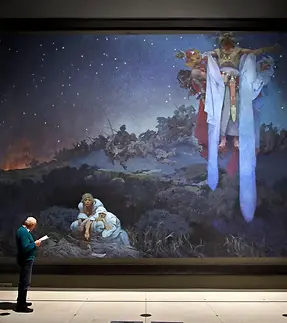
Art in Czechia plays a crucial role in shaping and expressing national identity. The National Revival in the 19th century testifies to how art and literature were crucial to fostering a sense of Czech pride and identity. Throughout history, art has been a medium for expression and resistance, especially during times of oppression, not only under Nazi occupation or Communist rule but for many modern issues and societal plagues. Art and culture are also significant drivers of tourism, attracting millions of visitors to Czechia’s historic sites, museums, and galleries. Czech artists have been influential in various global art movements, particularly in modern and contemporary art, continuing to inspire and innovate.
Scenography in Czechia
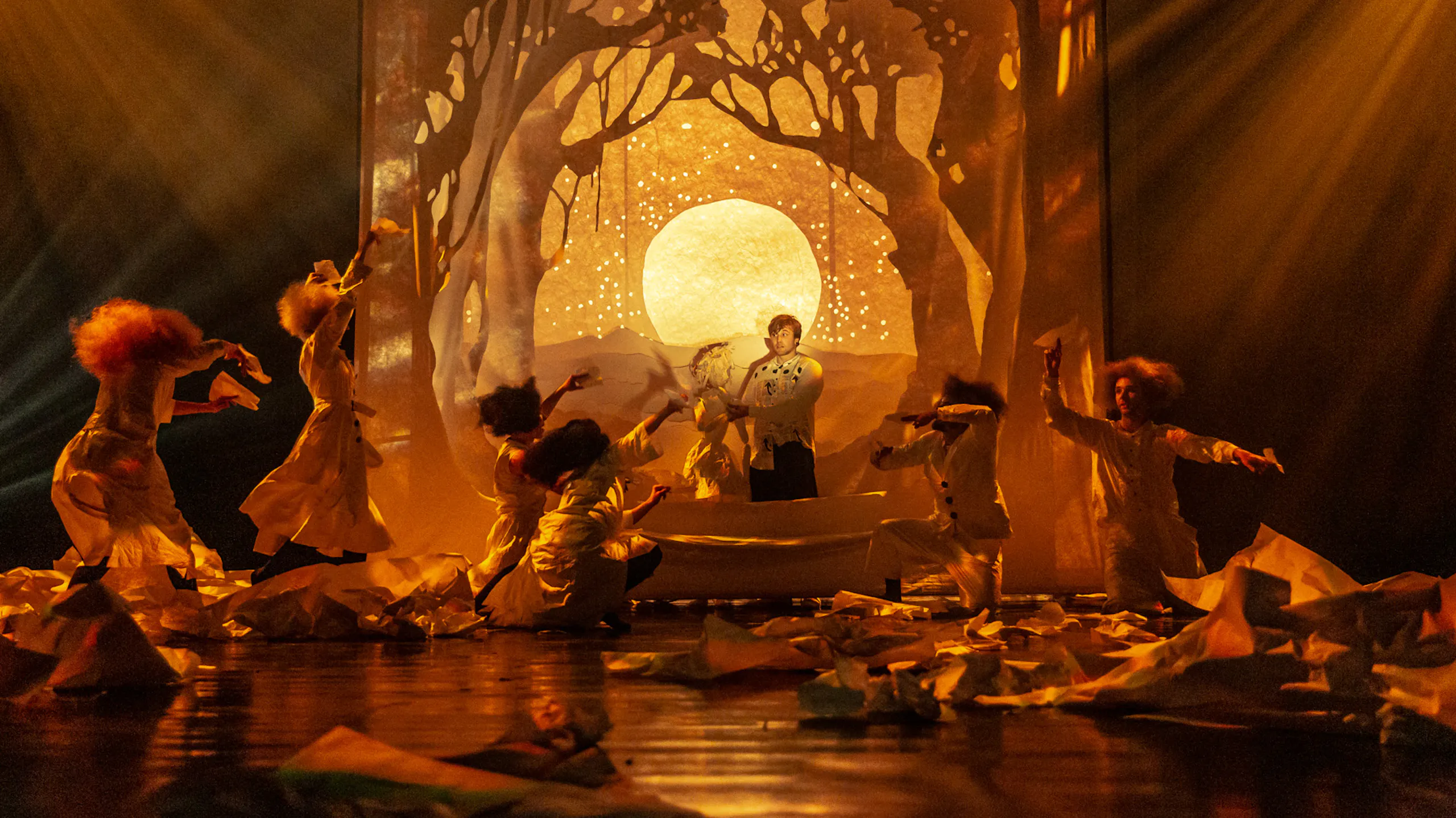
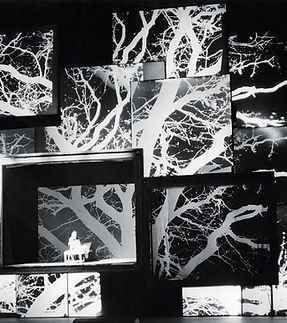
Since the 1700s, theatres played a great role in both emancipating and deliberately forming Czech conceptions of everyday life and identity. For example, two centuries ago, virtually every Czech family owned small-scale marionette theatre. With theatre so central to the mindsets of the Czech people, the role of scenography came to great prestige. Ahead of its time, alternative Czech theatre began scenographic experimentation around the use of space. In the mid 1900s, dialogues between theatrical theory and artistic output lead to Czech scholarship and stage practice becoming international forerunners in their field. Today, Czechia’s great Josef Svoboda is known as the father of Scenography.
Why are we celebrating scenography in Prague?
During the Biennale of Visual Art in 1959, a special exhibit illustrated the development of Czech and Slovak stage design and theatre architecture during the period from 1914-1959. This won Czechoslovakia gold. Continued Czech success during the next three Biennales led to an offer for Prague to host an international exhibition of stage design in Europe once every four years. Since 1967, the international exhibition has been held every four years, and has come to be known as the Prague Quadrennial.